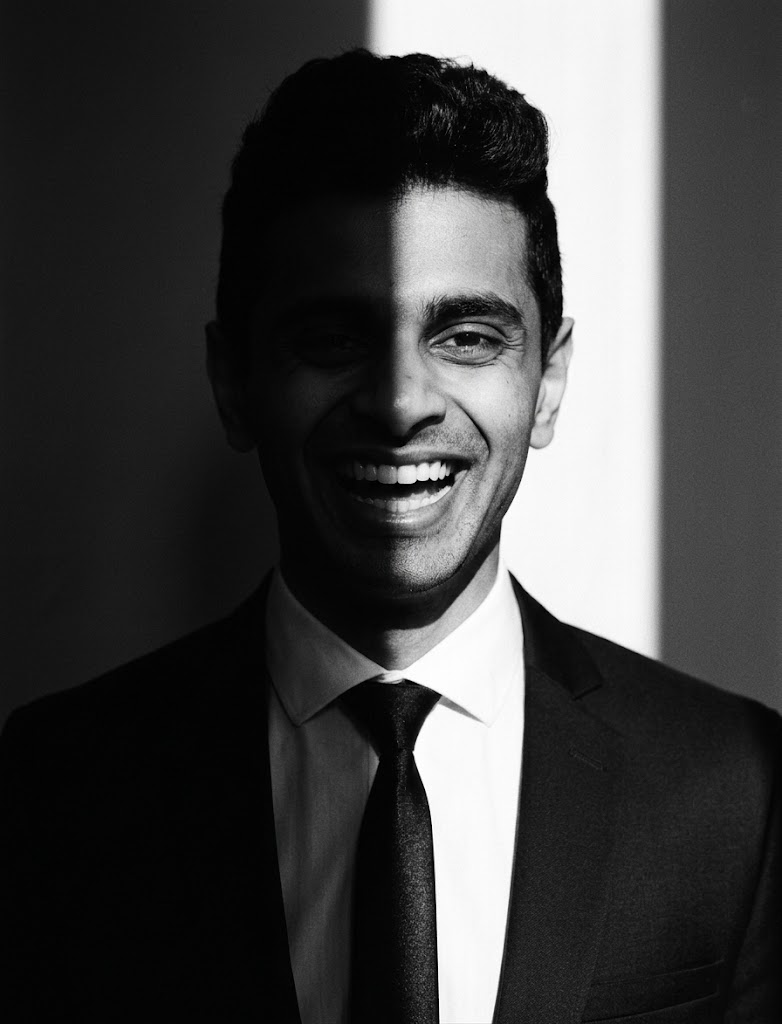
Sarshad Koderivalappil
Postdoctoral fellow at Lawrence Berkeley National Laboratory, building tools to watch phages and bacteria evolve against each other in real time.

About
I’m fascinated by how small genetic shifts, like a single mutation in a viral protein or in a host receptor, can tip the balance of an entire ecosystem. That curiosity has pulled me from clinical phage isolates in Hungary to a technology bench at Berkeley, and it’s the through-line in everything below.
Most of my current work is a bet that the coevolutionary arms race has some rules we can learn well enough to design against. So I build methods that let us watch evolution in real-time at the lineage level, rather than reconstructing it afterward. This includes dual-barcoded tracking of bacteria and their parasite phages together, enabling us to visualize both sides of the evolutionary race simultaneously.
I’m in the Environmental Genomics and Systems Biology Division at Lawrence Berkeley National Laboratory. Before that, a PhD at the University of Szeged on phage–antibiotic interplay in multidrug-resistant Pseudomonas.
Research
- High-resolution lineage tracking of host–parasite evolution
- Training phages onto receptors their ancestors could not use
- Phage resistance and the cost of surviving it
- Editing phage genomes without counterselection
Recent publications
- Genome-wide characterization of host factors involved in single-stranded RNA and DNA phage infection pathways.
- Comprehensive interaction profiling and machine learning prediction of bacteriophage infectivity across clinically diverse Pseudomonas aeruginosa.
- Targeted DNA nicking enables efficient, single-step and counterselection-free editing of bacteriophage.
- Scaling phage–bacteria interaction contexts: from pairwise mechanisms to community dynamics.
- Gradient metapopulation microfluidic ecologies shape genetic and biofilm drivers of T4r phage resistance in E. coli.
Excited about
Watching an arms race one lineage at a time
September 2026This is the idea I’m most eager to see through. Give the host and the virus their own separate barcodes, and a coevolution experiment stops being a single average and starts telling the story of individual lineages.
Education
- PhD, University of Szeged, Hungary - 2022
- MS, University of Bangalore, India - 2016
- BS , Mahatma Gandhi University, Kerala, India - 2013